Episode Transcript
[00:00:00] Speaker A: Foreign.
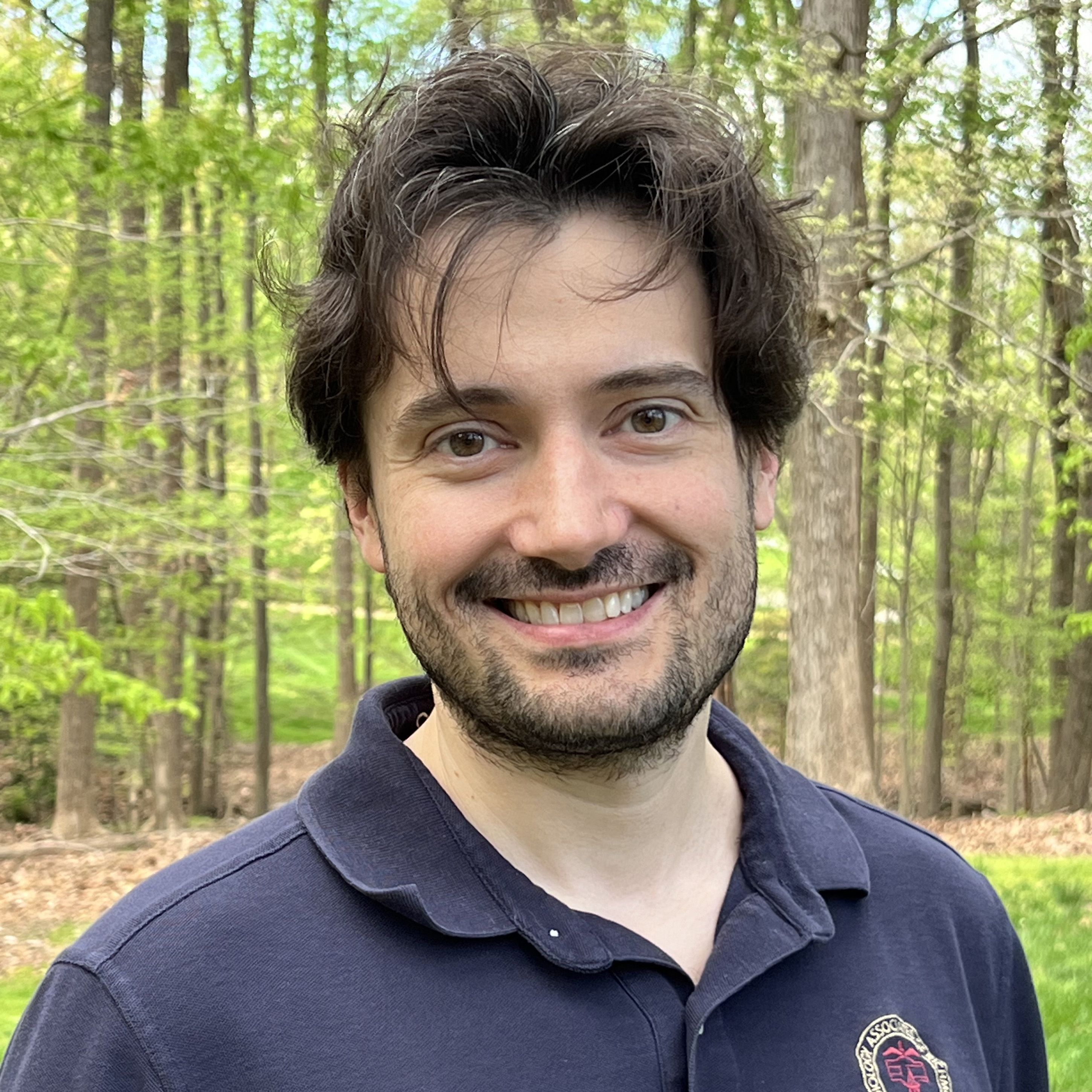
[00:00:05] Speaker B: Hello, everyone. Welcome back to Mallory's Weird World Adventures, the podcast. I'm your host, Mallory, and I'm here to show you just how weird this world of ours really is. I'm very excited because I have Kurt Belding here today from Western Obsessions tv. Thank you so much for joining me, Kurt.
[00:00:23] Speaker A: Yeah, thanks, Mallory. I appreciate you having me on.
[00:00:26] Speaker B: Of course.
So do you want to tell everyone a little bit about what you do with Western Obsessions first before I start tapping into questions?
[00:00:35] Speaker A: Sure, no problem. So Western Obsessions, I am a hunting television show, so a content creation company, but we also do hunting consulting, so we can. We. It's basically like travel, like a. A travel consultant where we take people that want to go on cool hunting adventures, and then we match them with the right business or right outfit for what they want to do, and that is how we make money on the business side.
[00:01:05] Speaker B: Amazing. And you kind of redefined yourself at 40, right? Reinvented your life kind of around this obsession and the hunting.
What did that look like from the inside? Was there like a single aha moment, or was it. Was it years of planning that slowly unraveled?
[00:01:26] Speaker A: Yeah, it was basically a midlife crisis, you know, that seems to happen around 40 now. Kind of like a little bit of, I guess, my backstory. I've always been very entrepreneurial, so I've.
Throughout my 20s and 30s, I own businesses in the sports nutrition realm and fitness realm. And I. But I grew up hunting. I always liked hunting. I always did it.
But I got to a point where I owned quite a few businesses, and that doesn't mean I was making a lot of money. That just means I was very busy and life was a bit stressful and just not exactly what, you know, what I really wanted to be doing.
You know, a thing that I look at is I don't want to have any regrets when I am old, when I am on the deathbed, and.
And if I look back in my life, I don't want to regret not doing something or living my life the way I wanted to live it. Right. So that was a big decision maker of mine. Like, when you hit 40, you feel the time really pressing on you, and you realize you don't have all the time in the world and realize you're not invincible. So, you know, I. I just did. And the other thing I looked at is, like, you know, if I had all the money in the world, if I had millions and millions of dollars in my bank account, what would I be really doing? And the answer was I just want to go on really cool adventures. I want to be out in the, out in nature, out in the wilderness, as remote as I can get, and go on really cool adventures. So with those two kind of questions that pop up for me, I said, you know, I don't want to regret not doing things and I just want to go have cool adventures. So I ended up either selling anything that I could as far as like business wise, and if I couldn't sell it, I closed it and just got rid of everything to just go on cool adventures. So that was six years ago and I am, you know, after a lot of failure and trial and error, we're starting to figure it out.
[00:03:30] Speaker B: That's amazing. And I completely relate. I kind of found my, myself at 30 when I turned 30 and I joined the Explorers Club and I was like, these are my people. I started doing conservation field work and remote adventures in different ways. I'm like, this is the person I want to.
But it took me a bit to get there too.
[00:03:52] Speaker A: Yeah, very nice.
[00:03:53] Speaker B: A lot of people have like a thing that they're quietly obsessed with but don't really pursue. So what's your advice to someone kind of standing at that edge that's just afraid to take that leap?
[00:04:08] Speaker A: Sure. I think I have polarizing advice and I'll go on one side of this first. And, and usually people don't do it out of fear and it's because of, they're in some kind of comfort zone that they're, they're in. Right. So, you know, take my example. It's a lot around financial and career stuff. So most people are in a job that they probably don't really enjoy, but they're there because they're making enough money to pay for their lifestyle of how they want to live. You know, they can pay for the house or some kind of room and board, they pay for the food and maybe for a car payment and maybe have a little bit extra left over to go out to dinner once in a while, maybe take a vacation. On that two week vacation they get a year. Right. And, and they may really have a passion for something else and they really have an obsession about something else, but they don't, they don't follow it because that's too risky. Why give up the security that you have for that huge risk if it doesn't work out now? You just gave up a place of big security and comfort. Right.
But what really hits home for me is there's only so many minutes in your life. There's only so Many hours, so many days, right? As we're talking right now on this podcast, I'm choosing to be here to talk to you. And this, I'll never get these moments back in my life, right? So I'm very careful with my time and where I spend it. So if you're spending most of your life at a job that you don't enjoy, and let's face it, if you're working 8 to 5, 40 hours a week and then you can come home, eat dinner, maybe you go to the gym, maybe you do a couple chores, and all of a sudden it's bedtime and you're sleeping, you're either sleeping or working. That's 90 of your life, right? So if most of your life is spent doing something you don't really want to do, but you have to do it to make enough money to live, but your life being lived is doing what you don't want to do, it's just a big hamster wheel, right? So it, you know, if, if you don't enjoy what you're doing and time is so precious, you know, this is, the polarizing advice is just jump and do it. And your, your first game plan of what you think you're going to do is not going to work. It's just, it won't, it's going to be game plan number 136 that's going to work, right? You're going to fail, and you're going to fail, and you're going to fail. But as long as you don't ever give up, you'll slowly figure out what not to do, which will then a of elimination, you'll figure out how to do it to actually be successful and hopefully live the life that you, you want to live. So that's one polarizing side of the advice. But the other polarizing is not everyone's meant to be an entrepreneur. Not everyone's meant to own their own business. You know, we're not just not wired that way. Being an entrepreneur is really, really hard. Most of the time it really sucks. It's just very difficult.
So if you're in a job that you're comfortable with and you're okay with it, you may not love it, you may not be passionate about it, but it gives you comfort and, and to live and not have to have the stress of being an entrepreneur or going out on your own, well, still pursue that passion, just to pursue it in your down time. Like if you really want, you could wake up at 4 o' clock in the morning and now you have four hours before you have to be at work. And then when you get off work, you probably have three to four hours after that that you can pursue your passion or do what you really want to do. And you're right. Just stop scrolling your phone, stop watching TV all night and wasting your life away just in your downtime. Take advantage of it.
[00:07:44] Speaker B: Yeah. I find that the world is so catered for our comfort that we box ourselves in. And when you move past that box and you kind of get out of your comfort zone, that's when you find adventure. And some people are just wired for it and they're all about it, and some people aren't, and they'd much rather be in that box.
So I think that's great advice for both types. I feel like the adventure person, the one that wants to take those risks, will be happy stepping out and, you know, pursuing everything they want. Some people are going to be happiest in that box. And that's okay too,
[00:08:17] Speaker A: right?
Absolutely.
[00:08:21] Speaker B: And so you've hunted in some of the world's most volatile and beautiful places. What does remote actually feel like when you're in it with just nothing, no sign of civilization around you?
[00:08:36] Speaker A: Yeah, well, let me give you a couple examples so I can compare and contrast for you. So I live in Colorado, and we have beautiful mountains here, and it's very rugged, and it could be very volatile, you know, especially in the mountains. And once you go into the mountains of, let's just again, call it Colorado, it feels pretty remote. You feel like, man, I am away from civilization. I may be 5 to 10 miles away from any road, and I'm pretty remote.
The reality of it is you're really not. You know, there's a lot of people out in the mountains now, especially if you're on a hiking trail. Like, hiking trails are so busy now, and everyone's on them, and you're not really away from people. And the truth of the matter is, is at any point in time, I can hike back to my truck within hours, half a day, and I'm back to my vehicle. And I'm not really that remote. Right. You may feel it. But when I'm talking about real remote, I'm talking about, you know, I was on a grizzly bear hunt in Alaska where we were 70 miles from the road system, and there is no hiking out of that.
And you are. We're on the toe of a glacier, you know, down in this basin, just overlooking all these beautiful mountains. And Alaska is one of the most volatile places on earth. You know, weather systems roll in. It can rain, it can snow. The wind can get up hundreds of miles an hour. It could be freezing. It's. It's pretty rough, can be pretty volatile, and there isn't. Something goes sideways. You're not hiking out to the road. Like, you need someone to fly in and pick you up and. And they may not be able to fly in and pick you up. If there's weather, you may be stranded there a week. You may not have food for four or five days like that.
That right there is remote for me.
[00:10:21] Speaker B: It's intense. And also you. You mentioned Alaska. You've been charged by grizzlies, so walk me through your brain in that moment. I think most people don't have the framework to process that.
[00:10:33] Speaker A: Oh, my goodness. Yeah. So I was on a grizzly bear hunt, and I know right there, okay, idiot. You just put yourself in the lines and the fire, you know, firing line right there, like you're after them.
[00:10:44] Speaker B: But.
[00:10:44] Speaker A: And I was doing a bow hunt, which, again, I doubled down on the stupidity. But we spot a couple grizzly bears. We make them move, you know, go over to get as close to them as possible. And as we're doing it, we lose sight of them. And. Which a very eerie feeling to be carrying around a bow and arrow knowing that you're in grizzly bear country probably a few hundred yards away. You don't know where they're at, and at any moment in time, you could pop up on them, and things can go very sideways. This is the first time in my life that I'm actually pursuing something that could kill me, like, pretty easily kill me, Right? So there's a different fear that you just. As a, you know, a hunter pursuing an animal, you just gotta, like, not think about that fear, and you have to push that off and continue your pursuit. So we're pursuing. We get to a point, and we found them, and we're about 100 yards away. And we just realized it's just too dangerous to try to sneak in too close with a bow. So at least we had a little bit of common sense at that point. And there was four of us. It was me, my guide, my cameraman, and a packer.
And my guide had a gun. Rifle. My. My. The packer had a rifle. So we decided to, hey, let's shoot the bear with a. With a rifle. So I took my guide's rifle. So it was me and the packer. My cameraman did not. Now the guy does not have a gun.
And I shot and I missed. The animal which scared the animals. And those things are very, very fast. They can run up to 40 miles an hour pretty easily.
So 100 yards is not much distance. And out of them being scared because they got shot at rightfully. So their escape route of running away was right at us. So within a few seconds they were on top of us. And realiz, we're the, we are the danger. And you know, I won't go into all the details. I don't know what your listeners like it. You know, we ended up shooting one of the bears. The, the male which we're after. The female kept coming and I could tell at one moment we were fit. She was 15 yards away from me on us. And she looks at us and I swear I like locked eyes. And you. I could tell she was making decision do I come and kill these guys or do I just run away? And you could tell she made a decision last second to skirt away. And you know, we got very lucky because she could have tore us up really easily.
[00:13:11] Speaker B: Have you, have you seen Grizzly Man? I just had to ask.
[00:13:17] Speaker A: I have not, no.
[00:13:20] Speaker B: It's a documentary about a guy that goes to live with the grizzly bears. It's. It's very strange and you might, you might appreciate it, but it's very strange and I think it's meant to be taken seriously. But I'll say I, I found it quite amusing that he's living with the grizzly bears and giving them names like they're teddy bears. It's very weird.
[00:13:39] Speaker A: Oh my gosh, that's so dangerous. That's crazy.
[00:13:41] Speaker B: Yes. Well, he eventually gets mauled by a grizzly bear. So.
[00:13:45] Speaker A: Yeah, weird.
[00:13:46] Speaker B: Which, I mean, you have to see it coming in the beginning. You know, no one was really surprised when that happened.
[00:13:52] Speaker A: Yeah,
[00:13:54] Speaker B: it's called Grizzly Man.
What's one of the places you've been that genuinely surprised you either from the landscape or the culture that kind of rewrote your expectations of where you're going.
[00:14:10] Speaker A: I'll give you two examples.
The landscape that surprised me was New Zealand. I just got back from New Zealand on a hunt there and we were on the South Island. And I'm used to mountains. I'm used to very rugged country. And I think of myself as a pretty tough guy. I can handle a lot of stuff. New Zealand was more than I was expecting. It was very rugged. It's very up and down, very steep country.
Very tough country. Much tougher than what I thought. But beautiful, you know, Beautiful, beautiful country. We got rained on for three Days straight and it finally broke and the sun came out and it turned pretty nice, but very rugged country. I got humbled by it pretty well.
And then the culturally. I went to Africa a few years ago and I really enjoyed the culture in Africa. And it's funny, like I'm in a completely different country on the other side of the globe and hunters are all the same and you could take that in whatever way you want to take it. But I'm over there and the trackers that we have in our p is called a pH, a professional hunting guide, basically that's helping us out over there. They don't speak English. English like the trackers don't speak English at all. I don't speak whatever language they were speaking. I was in Zimbabwe, so whatever, you know, African.
And the ph spoke a little bit of English. So we can communicate a little bit, but we could communicate very well when it comes to hunting. Stuff like, hey, there's an animal that came through here's tracks and this is a male and this is what they were doing and, and stuff like that. And we just. It's like a universal language that no matter where you're at, from worlds away, you can relate with one another because you understand that culture. So I, I was surprised by that and I was also very surprised by the, you know, it's a very poor country and much poverty, but people really took in hunters in that culture because the, the government does not own, I'm sorry, the people are not allowed to hunt because the government owns the animals.
But they really welcomed outside hunters from, from the United States or other places because all the revenue that was made for that hunt goes to the communities, goes to the skill school systems, the roads to better their life. And then the meat also goes to the local villages because they can't hunt. So that meat gets donated, the food gets donated to those guys. So that was pretty eye openening for culture there too.
[00:16:46] Speaker B: I love that.
Is there a landscape you've been to that has felt otherworldly?
[00:16:55] Speaker A: I was on.
What island was that? Adak island in Alaska. It's on the Aleutian Island Change and it's, it's closer to Russia than it is to the United States.
It's way out there and there are no trees on the island and it's pretty rugged stills. Very wet. It rained the very rainy, very windy all the time. But it was still very beautiful and very green. It was, it was pretty. An amazing island. We're hunting caribou there and we got really lucky, had some Good weather during the hunt. After the hunt, a hurricane came in. We got stranded on the island for a while, but that landscape was. It did not feel like anything that I've ever been on. When you're looking the mileage or the island itself, I think is like maybe 10 miles across.
So when you're on the island and you can see pretty far and you don't see a. A single tree or bush in sight, it does not feel like in, you know, you're in the United States or even on this planet. It's pretty crazy.
[00:18:02] Speaker B: That's wild.
I have to ask some about the folklore because that's like my, My. My little area.
And a lot of the hunting you've done has been in the American west, which carries so much mythology and history in the frontier and the wilderness. And do you feel any of that mythology when you're out there, or is it just the reality of the hunt that kind of dissolves it?
[00:18:26] Speaker A: No, I mean, I guess for me, you know, when I know what people, and I'm assuming your audience probably are, is not filled with hunters.
When you think of a hunter, you just think of someone going out there killing animals. Typically, that's what's thought of. But I'll tell you, it's a very small, small amount of time that that happens. It's very, very minuscule. So, you know, 10% of hunters actually kill an animal. So 10% of hunts that happen are actually successful.
And people don't understand that. Where the real value comes in the adventure and not really the killing of an animal, that's really the value. And. And I know you could say, well, why don't you just go out there and have the adventure and have the hiking? Well, without the goal of finding a mature animal that has lived a good life and is old enough and mature enough, it's like finding a needle in the haystack and then getting an opportunity to harvest the animal, take the animal home, eat the animal, and feed my family with the animals meat. Right. Like, that's a very special thing for me.
And it's, you know, if it happens, it's. It's almost, you know, I don't want to get too heady, and I can go as head as you want, but it's very spiritual. It's a very spiritual thing if that happens. But I need to have that goal of like a needle in the haystack while I'm out in nature, immersing myself in nature, away from screens and away from the the to do list. And the problem and, you know, in the.
The most wild places I can get to in the west,
[00:20:04] Speaker B: is there. Have you encountered a local story or some of the culture, maybe traditions that you found out there that has stopped you and really affected you? Because I'm sure you're. You're out in these pockets of deep culture, too, while you're traveling out remotely.
[00:20:25] Speaker A: I will say that's a great question. I don't think I've ever had that question asked.
The culture, what I really enjoy about. There's. It's twofold. The first part of the culture I'm going to talk about is the bonding part of it. So, you know, a lot of bonding for me came early as a kid where I would do this with my family.
And whether it be with my dad, my uncles, or even my mom, like, my mom hunted quite a bit, too. And again, it's not. I mean, the goal is to kill the animal, but when you're out in the wilderness, it's like those memories sear into your mind more than anything else on this planet, any other experience.
And, you know, in the bonding part of that really, really hits home.
So that. That really comes to mind. And I actually took my mom in an elf later in life. I think she was 62 when I took her on her first elk hunt. And, you know, we'll never forget this, you know, every little detail of that experience. Now, I've had many, many experiences with my mom, you know, throughout my life, but that's a moment that I'll never forget is spending that time with her.
So I would say the bonding part of that culture is very, very nostalgic. And then the culture of, like, how they used to do it back in the day without all the technology and the gear. And, you know, they had these little stick bows, or they're wearing blue jeans and flannel shirts, and they're out on these. The elements that are just the same as the elements that I'm out in. And I have all the gear. I have the rain gear, I have the. The marina wolves, and I have the boots and the, you know, insulated boots. And I have everything I can to keep myself as comfortable as I can as I'm out there. But, man, those guys did it with nothing.
And there's a lot of respect for the old hunters back in the day on a mountain with nothing, you know, a lot of respect.
[00:22:20] Speaker B: There's. There's a balance, too, I find, with conservation and hunting, because with the Explorers Club, too, a lot.
A lot of. There's a lot of value in, in hunting invasive species. And I know we'll have like a gala every year and they'll serve a really strange array of like invasive species because they are a problem. They throw off the balance of, you know, animal life, habitation. There's a lot of issues there. So I do see the benefit in hunting, you know, the right animals as well.
[00:22:50] Speaker A: Yeah, well, and very true. Let's, you know, let's dig into conservation real quick. You know, I'm gonna, I would argue and I get a lot of, a lot of hate from anti hunters and people that don't hunt and I even got hate from hunters just because we have lots of ego out there. But you know, I think one thing I don't think is understood very well about the hunting culture and community is how much we give back to conservation and how much we we are conservation. Which sounds very polarizing, right? It's very, it sounds crazy like, okay, by killing animals, we're saving animals, right? Like that sounds crazy, but that's the truth.
So let's just take any species of animals. We'll just take deer because most people know what a deer is. You know, every year hunters raise millions of dollars for conservation. Every time I buy a license or a tag or buy ammo or gear, that's money that is being raised for conservation, which is upkeep of habitat of the deer and even road systems to make sure that we're not building roads around migration routes to winter ranges or birthing ranges. And you know, I would argue that a hunter like myself loves the animal of the deer more than any anti hunter or non hunter. We just love the idea of these species more than the individual life of a deer. Right.
So you know, you have to keep in consideration without hunting that animal, that species of an animal would really suffer because of all how much money it takes to conserve it. And then let's look at like the death of the animal like and most people think of of animals out in the wild as a Disney movie. You know, we'll take a family where, oh it's, it's the mama bear and daddy bear and the, and the baby cub and that's so cute. And it's a Disney movie and they all love each other and they live happily ever after and, and the only way an animal will die will be in its sleep, you know, and it's bad when of old age.
That's not the truth. And even when the truth of the matter is, yep, mamas have babies, but it's not like daddy bears being Daddy bear. The daddy bear will actually kill the baby, eat the baby so the mom will come back into heat so he can breed the mom again. That is not a Disney movie, you know.
No. And that's a pretty messed up Disney movie if they're going to create one like that, right? So.
And that's just the brutality of nature. That's just the truth of nature. Nature. And then also let's, you know, the death of an animal. There's three ways that an animal will die in nature. They're going to starve to death, freeze the death, or be eaten alive from a predator.
You know, so that's a very gruesome death. You know, so like, obviously starving to death. That's, you know, who would want to do that? Being freeze to death. You don't want to do that. Like, who would pick that and then being eaten. Because when a predator, we'll call it a coyote, a mountain lion, a wolf, a bear eats a deer, they don't care if that deer is dead or alive. They're going to start eating it.
And they don't, they don't focus on killing the animal. They focus on knocking the animal down and making sure the animal doesn't run away and they start eating it. So they're literally getting eaten alive. So those, those are some really brutal deaths. Right?
So my argument is, like, as a hunter, if I'm going to give that animal the best death it could have, it's going to be a shot through a vital, whether it be with an arrow or a bullet, and within 30 seconds, their blood pressure is going to drop and they're basically going to pass out. That's how they're going to die. Right? So, you know, it's just, it's not a Disney movie out there. And, you know, I just think we need to open our minds up a little bit. And especially if someone's upset that I'm killing an animal to feed my family and, and eating its meat or, you know, body or whatever. And if they're going to the grocery store buying beef and chicken, you have, you have no leg, you have nothing to stand on. You're contributing to mass murders of cattle farms and chicken plants and, you know, so.
[00:27:03] Speaker B: Yeah, and I feel, I mean, conservation is no Disney movie either. You know, there's, there's different types. I've been on rescue missions for penguins that are going extinct, that are heavily endangered. And that's a different thing where you are trying to, like, save everyone that you can. But Magellanic penguins, there are millions of them in Patagonia. And when we're there doing research for that, it's really just research. And there's predators there and you, you can't get involved. You know, you're going to watch them be killed by predators. And you have to accept that this is just how life is too, and it happens and it's a part of it. You see that. And I think it is insightful and it does open your mind to that type of topic with the world. And there was. You'll appreciate this. This just made me.
It was an interesting day. We had a penguins that were being killed and their heads were going missing.
And we were like, well, that's peculiar because there's a Jeffries cat in the area that was, you know, eating their necks and. But they don't take the heads. And we're like, well, where are their heads going? So it was a mystery for a couple of weeks where the penguin heads were going after they were killed by the predators. And we actually found the. The person doing the research on the predators found at one point there was an escoa, which is a predatory bird that was collecting the penguin's head to decorate his. His bush that he was living in. So he like, decorated his bush penguin head like a Christmas tree. And I was like, oh, nature is so beautiful.
[00:28:37] Speaker A: Oh, my goodness.
[00:28:38] Speaker B: That's, yeah, crazy.
[00:28:41] Speaker A: Crazy.
[00:28:42] Speaker B: Yeah, definitely not a Disney movie out there. And I think a lot of people in the field, research side, understand the circle of life and what that looks like and have respect for. I mean, hunting is also regulated, you know, with what you can hunt, and based on conservation laws, which is, you know, very important.
[00:29:03] Speaker A: It absolutely is regulated. And that's another thing people don't see and understand is like, why are we killing all these animals as well?
You know, there's a. There's some population control to help with disease and starvation because they may not have enough food if there's too many of them. And so, like, you know, each state's game and fish department will do extensive studies and surveys and then based upon the population of the animal, will allocate so many licenses or tags to, let's say, you know, 100 animals. They may give you 20 license and tags to be able to rightfully manage that population. So it is heavily, heavily managed,
[00:29:42] Speaker B: definitely.
And the places you document are oftentimes under climate pressure, developmental pressure, hard to access.
What are you seeing on the ground that most people aren't paying attention to?
Like, what are some of the obstacles that you faced in the land oh,
[00:30:03] Speaker A: well, I would say, you know, most people are not as remote as I am, you know, when they go into the wild. And let's just go on levels, right? Like, on the most basic level, someone wants to go out in nature, so they go to their local park and go stare at a tree or touch a tree or touch the grass, right? There's not a lot of obstacles there that. That need to. Need to overcome to be in nature or, you know, a little bit more extreme is like, okay, I want to go in nature. I'm gonna go for a hike. And now they're hiking around their park or hike. Or if you live mountains, you're going to go to a mountain and go for a hike. That's great. Like, you're immersing in nature. You get all the benefits, the scientific benefits of being in nature, because there's a ton of benefits of, like, grounding and electronic currents and huge benefits, but there's not a whole lot of obstacles, right? You're on a path that 10,000 people in the month before walked on. And, you know, there's typically not a lot of obstacles there. So for me, I am typically in remote places where there is no path. Paths, there is no path to follow.
So wherever I'm going, I. I will run into. There's plenty of times I've ran into cliffs where I get cliffed out. Okay, I can't go any further because if I fall off this cliff, I will die. So I got to figure out a different route to get to where I want to go. Or it gets too choked out with brush and timber and trees and I can't continue, or it's too steep, or, you know, the river has come up because it rained the night before, and now I can't get back across the river because if I get into the river, I may get swept down the river, and if I get wet, I'm going to get cold because I'm wet, and then I'm gonna get hypothermia, and then I could die.
So, you know, when you're out there and.
And you're really, actually really into the nature, into nature, really remote, any small little thing could be life or death. Like, if I'm out there and I turned an ankle and I'm five miles from my base camp, you know, just a twisted ankle makes things life or death. Like, how do I get back to my satellite phone or base camp and, you know, do I need to get life flighted out of here with a helicopter or a plane or, you know, Just by turning an ankle, you know, so one little rock could be a huge obstacle, right?
[00:32:21] Speaker B: That's true.
You've also built a real business using YouTube as an engine. What did you learn about storytelling through the process of documenting your experiences?
[00:32:36] Speaker A: Yeah, that's great.
I really enjoy storytelling. In the beginning, I was terrible at it, so I've been getting better at storytelling. And storytelling for a brand is real important because most people. People want to know the story of a brand. They. They buy from a brand because they can relate with the story of the brand, like how it founded, where it came from, why, what's your mission? What, you know, who are you as a personality of the brand? So storytelling is really important.
And I also really enjoy movies. I grew up watching a lot of movies, and I call movies like my drug of choice because it takes me out of my reality and puts me in a different reality and makes me feel feelings and maybe happy, sad, fear. So I love watching movies. So as I'm going on a hunt and I'm documenting it and then thinking about the edit, I really think about the storytelling part and how I can entertain people and make them feel feelings of what they may feel or like, you know, putting. Trying to do the best I can to put them in that nature, in that spot, in that situation where they can feel themselves being there.
That's pretty important. Important to me if I can try to accomplish that.
[00:33:46] Speaker B: And one more question for you. I have to ask. What do you think makes a true adventure
[00:33:54] Speaker A: that's, you know, in the eye of the beholder, right. Of the adventure. So, you know, I think an adventure is something that is outside of your comfort zone. I think you need to get outside your comfort zone to be adventurous. So whatever that is to you, maybe that's going to a new city that you don't know, and you're adventuring the streets and the shops.
Maybe it's trying out a new hobby, you know, that's adventurous. For me, what makes an adventure an adventure is being as remote and as deep into the wild as I can get with a goal in mind of finding that needle in a haystack, which is the mature animal of whatever species that I'm after.
That is the real adventure for me.
[00:34:40] Speaker B: Nice. And where can people find you online, Kurt?
[00:34:45] Speaker A: Yeah, if you go to Western Obsessions TV.com, that's my website, you can see a lot of my episodes and see a lot of my adventures there. If you're interested in one of the adventures that we go on, they're all a lot of them are listed there on the website. You can see a lot of my hunting adventures because we are consultants also.
And then if you want to kind of see my day to day stuff, my Instagram Western Obsessions TV or my Facebook just Kurt Belding, I sometimes post a lot of my like, hey, this is my workout for the day, or this is me hanging with my family, or I'm out back shooting my bow or whatever it might be.
[00:35:22] Speaker B: Fantastic. Well, thank you so much for joining us.
[00:35:27] Speaker A: Absolutely. Thanks for having me on. I enjoyed it.
[00:35:30] Speaker B: Of course.
And until next time, everybody stay weird.